Growth engineering
Get the next growth experiment live.
You have an idea for improving acquisition, activation or retention, but testing it needs engineering. I build the product change, campaign tooling or integration and the measurement around it, so your team can run the experiment and decide what to do next.
AI agent
Talk growth engineering with my AI agent.
Ask how I turn a growth hypothesis into a working experiment, connect the data and evaluate the result.
Three conversations a day. Two minutes with my AI agent on Google Gemini. No sign-up. How it’s handled
Alongside 100+ client engagements.
A few teams I’ve worked with:





The approach
We begin with the customer behaviour you want to change and the evidence behind the idea. That might be a drop between signup and first use, a lifecycle message that cannot use product data, or an acquisition opportunity that needs its own tooling.
I work across the customer journey and the systems behind it. We agree the hypothesis, baseline and observation period, then build the intervention and check that the measurement records the behaviour we care about. Agents support research, implementation and recurring checks.
Once the change is live, the question is what the evidence supports. We review the result against the baseline, account for the limits of the data and decide whether to keep, change or stop the experiment. A shipped test and a demonstrated revenue increase are different results.
What gets built
Work we can take on together.
An onboarding improvement in use
Build and measure the steps between signup and the first useful action in your product.
An acquisition idea made testable
Landing pages, search tools, partner integrations or campaign systems that let the team test a specific opportunity.
Lifecycle work connected to product data
Use the relevant customer events in onboarding, retention and reactivation workflows, with the team’s approvals in place.
Measurement you can make decisions from
Define the event, baseline and reporting needed to understand an experiment, and check the data at its source.
How I work
From the first decision to handover.
State the hypothesis
Identify the customer behaviour, the business reason to change it and the metric that would tell us whether the experiment helped.
Check the baseline
Inspect the journey and tracking. Agree the data needed, traffic constraints and observation period before interpreting results.
Build and release the test
Implement the product change, integration or campaign tooling. Verify the user journey and events in the live environment.
Read the result
Compare the evidence with the hypothesis and record its limits. Decide with your team whether to keep, revise or stop the change.
Recent client projects
See the work in use.
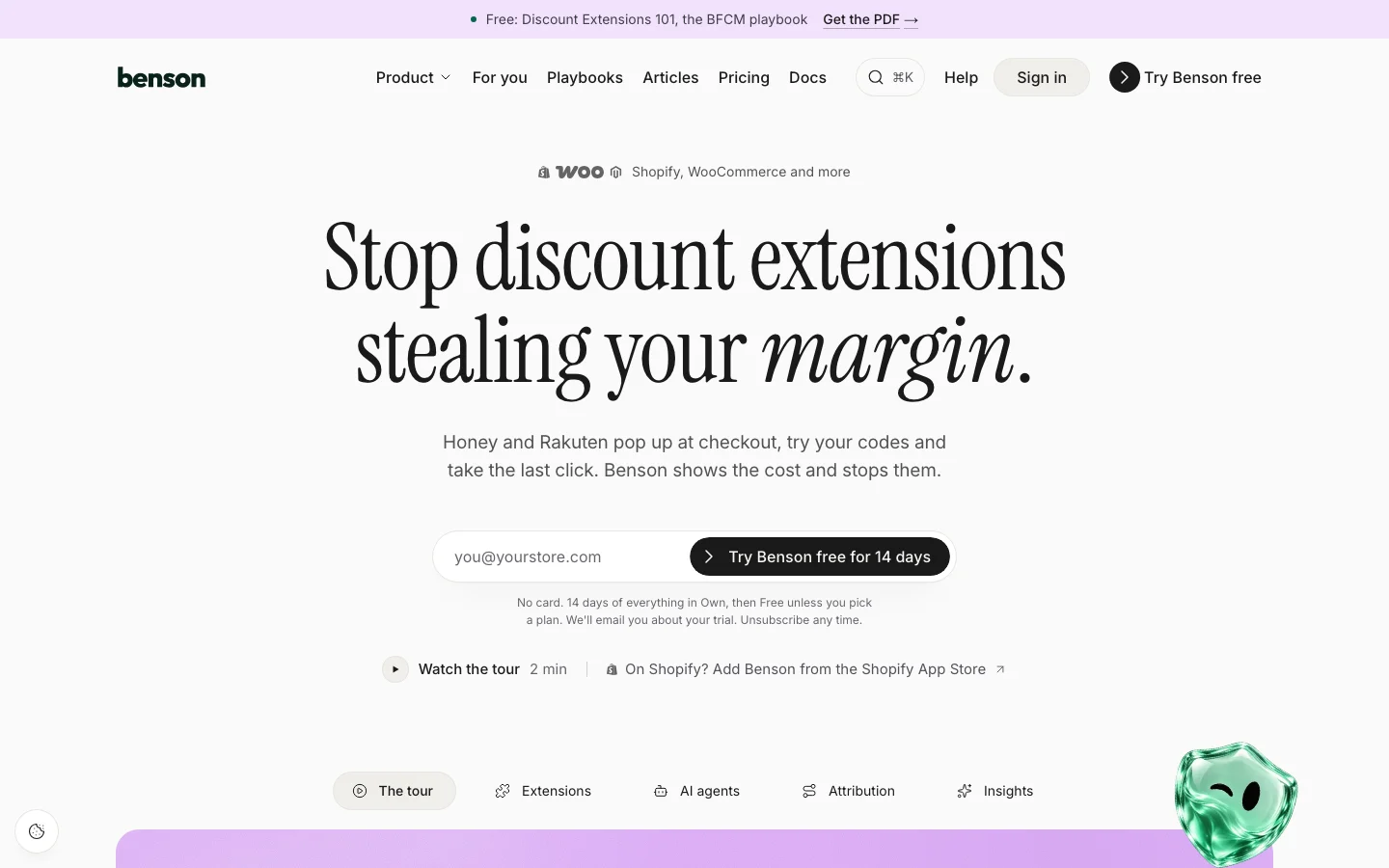
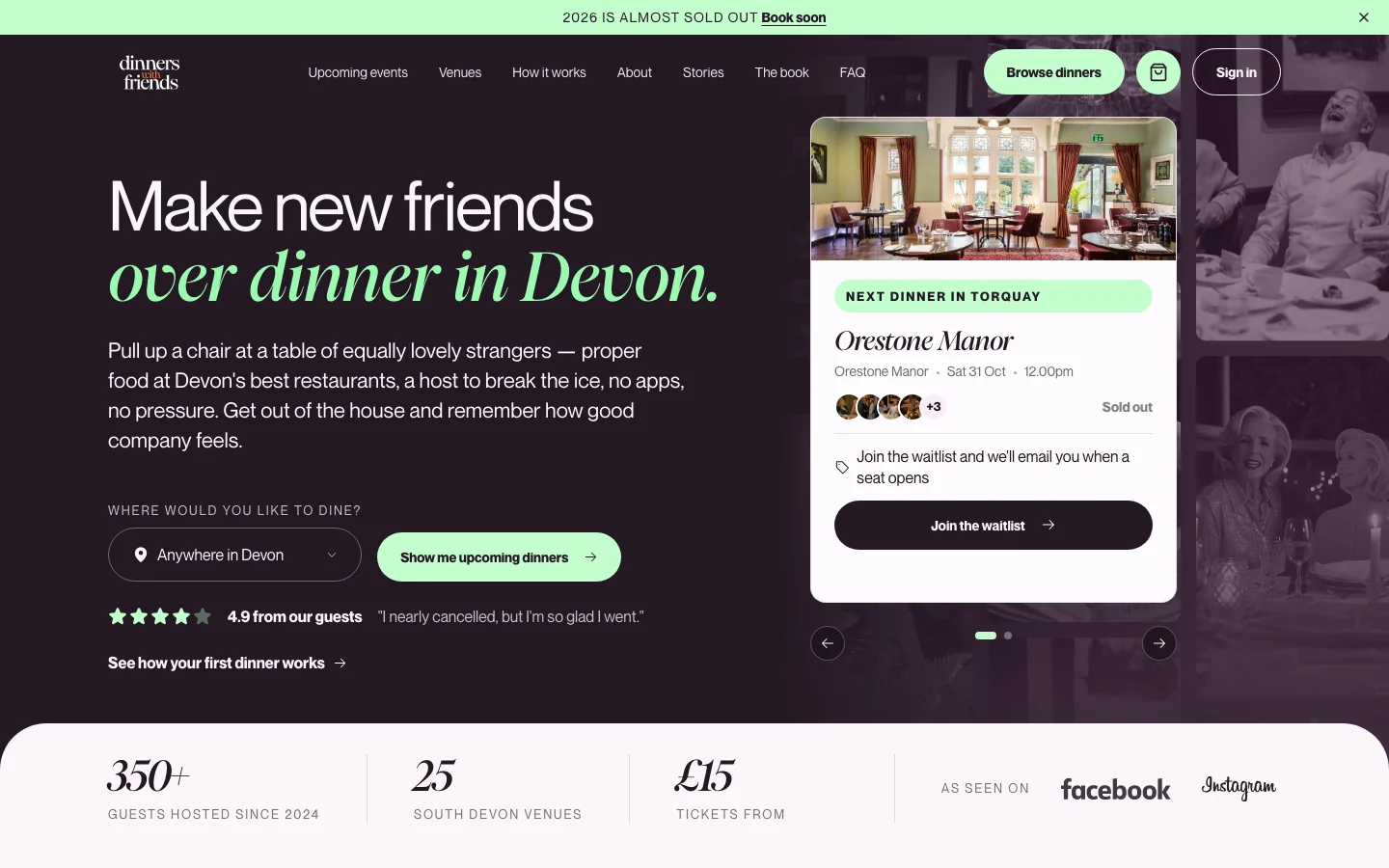
Recent client work in ecommerce measurement and community events. The case studies distinguish what was built from the results recorded at the time.
The work in detail
Read the decisions behind it.
Ways to work together
Choose a scope that fits the work.
A working session, a defined release or ongoing delivery. We agree the responsibilities, dependencies and fee before starting.
- Engagement
Delivery sprint
Build the change and measurement behind a focused experiment, with scope and a fixed quote agreed upfront.
From £10,000 per project → - Engagement
Ongoing partnership
Work through a series of growth priorities, carrying the learning from one release into the next.
From £12,000 a month →
Common questions
Working together.
Scope, responsibilities and what happens after the release.
Contact meBoth. Growth brings the hypothesis and commercial context; engineering brings the system and release constraints. I work across the implementation and measurement so the experiment has an owner through release and evaluation.
No specific uplift can be established before the experiment runs. We agree the change to deliver and how to evaluate it. The result then informs the next decision, including when the data is inconclusive.
We check it before relying on a baseline. The scope can include the instrumentation needed for the experiment. If the data problem is larger, we agree that work separately rather than treating uncertain numbers as evidence.
The release timeline depends on scope and system access. The observation period depends on traffic, the metric and the expected size of the change. We agree both during scoping and avoid treating the launch date as the date an uplift is proven.
Discuss your priorities
What needs to change for your team?
Bring the problem, the existing setup and the decisions you have already made. We can work through the next useful step on a free 30-minute call.
Other areas of work