Revenue Loop Sprint
Fix one point where customers drop out.
A focused ten-business-day project to improve one agreed activation, retention, expansion or payment path: establish the baseline, deploy a change and set up a 30-day evaluation.
The sprint is for product-led B2B software companies with real users, real revenue and enough activity to observe what changes. You may have product engineers, marketers and several analytics or customer tools, but nobody owns the whole path between product behaviour and revenue.
This is a specific engagement, not the minimum budget for working together. For an audit, a product build or ongoing delivery, see projects and embedded contracts.
We agree one target path before the work begins. By day ten, one corrective system is running in production and you’ve got a credible way to evaluate it over the next 30 days.
When a focused change is the right starting point
A user signs up but never reaches the moment that makes them stay. An account expands its usage but nobody notices until it churns. A payment fails without reaching the right person. Product, billing, customer data and lifecycle messaging all work separately, but the commercial logic between them breaks down.
These are system problems, not workshop problems. A diagnosis only matters if it leads to a production change, so this sprint ends with deployed code, working measurement and a clear evaluation window. It doesn't end with a slide deck and a backlog for somebody else.
What happens in the ten business days
- 01Days 1–2
Locate one material leak
I inspect the product path, analytics, billing, CRM, lifecycle tools and relevant code. We identify one commercially important failure and agree that it is the right problem to fix before I change anything.
- 02Days 3–4
Establish a trustworthy baseline
I define the target metric and repair the minimum instrumentation or data quality needed to measure it. You get a written metric contract that explains what we're measuring, how we calculate it and what the current number is.
- 03Days 5–8
Build and ship the intervention
I design and build one intervention around the leak we found. It might be a product change, onboarding flow, lifecycle sequence, payment-recovery path, referral mechanism or operational alert. It ships into production with tests and documentation.
- 04Days 9–10
Make the result observable
I build the dashboard, monitor or alert that tracks the target metric against the baseline. You also get a 30-day evaluation design with explicit success, failure and uncertainty criteria.
A deployed change and the evidence needed to judge it
- 01
A defined commercial path
We name the exact user journey or revenue flow under investigation, the failure inside it and why fixing that failure matters now.
- 02
A metric contract and verified baseline
You get one agreed definition of the target metric, its data sources and the before-state. If the existing tracking is unreliable, I repair the part needed for the sprint.
- 03
One intervention running in production
The agreed product, instrumentation, lifecycle, payment, referral or operational change is built, tested and deployed in your systems.
- 04
Working measurement
A dashboard, monitor or alert shows what happens after deployment without requiring somebody to assemble the answer by hand.
- 05
A 30-day evaluation design
You know when to read the result, what would count as success or failure and what the available data cannot prove honestly.
What's included, and what isn't
In scope
- Direct inspection of the relevant product, data and commercial systems
- A written target path, metric contract and verified baseline
- The minimum instrumentation or data-quality repair needed for the work
- One production intervention with tests and documentation
- One dashboard, monitor or alert for the target metric
- A handover and 30-day evaluation design
- Questions about measurement and interpretation during the evaluation window
Out of scope
- An audit that ends with recommendations but no deployed change
- A rebrand, brochure website or general marketing-site redesign
- Open-ended staff augmentation or hourly delivery
- A generic AI transformation programme
- A migration of every analytics, billing or customer-data tool
- A guaranteed revenue increase or a claim that ten days proves causality
The work behind the offer
These four projects cover the same commercial problem family: acquisition, activation, retention, monetisation and the systems that make those outcomes observable.
Selected work
4 projects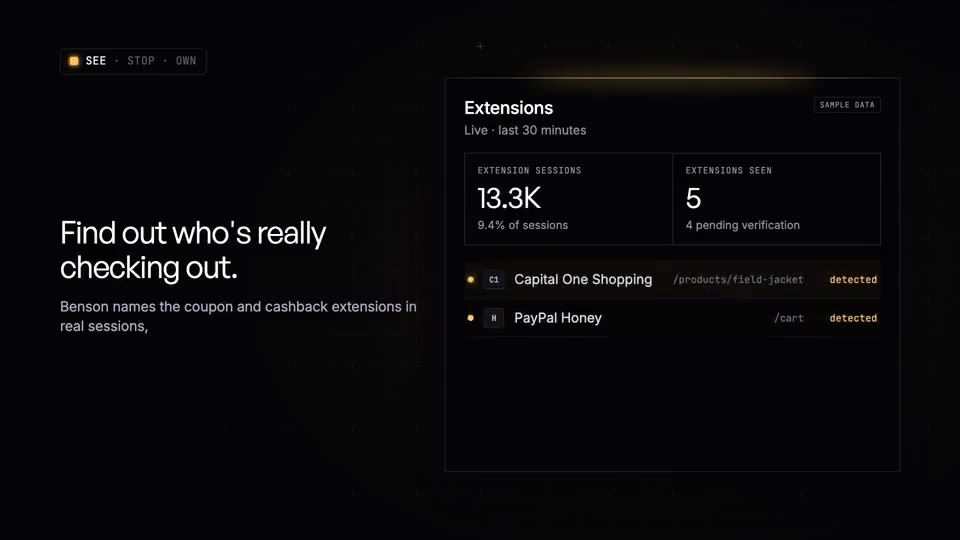

 Indy.aiFreelance opportunity discovery for ContraProduct engineering · Built the extension and discovery pipelineView project →PatriannaGames for a social-casino platformStudio leadership · Hired the team and shipped five games to 1M playersView project →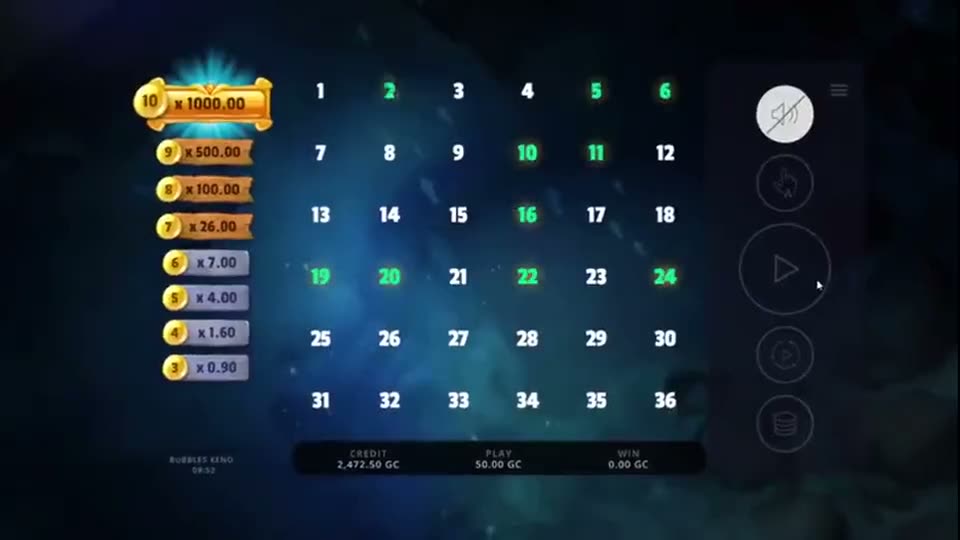
When the sprint is useful
Good fit
- You run a product-led or usage-led B2B software company with real users and revenue
- You can point to a problem in activation, retention, expansion, payments, referrals or lifecycle messaging
- You have enough behavioural volume to observe change within a useful period
- A founder, product, growth or technical leader can provide access and sponsor deployment
- Your team can review and release a focused production change within the sprint
Poor fit
- You are pre-revenue and primarily need an MVP or a launch website
- You cannot provide access to the relevant product, data, billing or code
- You need a broad platform migration or multi-quarter programme
- You want a contractual revenue result before we establish data quality
- Your procurement or release process makes a production change impossible in ten days
£12,000 fixed for ten business days
- 01
The sprint costs a fixed £12,000.
- 02
You pay 50% to reserve the sprint and 50% when the intervention is deployed.
- 03
We agree the target system, access requirements and boundaries in writing before day one.
- 04
There are no change orders for work inside that agreed scope.
Measure it for 30 days
The evaluation runs against the baseline. I remain available for questions about the data and its interpretation during that window.
Continue where there is evidence
If the result exposes a larger opportunity, I can scope a three-month embedded engagement around one commercial metric. It's a separate decision, not an automatic retainer.
Take the system forward
The code, tests, metric contract, dashboard and documentation remain with your team. A clean handover is a successful outcome.
What teams usually ask before starting
What access do you need?
Usually I need the relevant application code, product analytics, billing or subscription data, CRM and lifecycle messaging tools. I confirm the exact list before we begin and I can work under your NDA and security policies.
Do you replace our existing tools?
No. The sprint is vendor-neutral. I work with the stack you already run and repair the minimum required path in place unless a tool makes the agreed intervention impossible.
What if our data is broken?
That's common, and the baseline phase accounts for it. If the data problem is too large to establish a credible baseline inside the sprint, I tell you before we build the intervention and we decide whether to stop or rescope.
Are results guaranteed?
The sprint guarantees a deployed intervention, working measurement and an evaluation design. It can't honestly guarantee a specific revenue lift before the intervention has run against real customer behaviour.
Can the sprint run remotely?
Yes. I'm based in Prague and work remotely with UK, European and US teams through focused access, written decisions and short scheduled check-ins.
Tell me where the revenue path is breaking
Send the product, the symptom and the systems involved. If a focused ten-day intervention is the right shape, we’ll define the target path on the call. If it isn’t, I’ll tell you directly.



 Promptheus — used in an MIT course
 Product Hunt — #1 Product of the Week
 Performance Marketing Awards